The antioxidant supplement market generates approximately $3.5 billion in annual US sales, driven by a conceptually appealing narrative: free radicals damage cells and accelerate aging, antioxidants neutralize free radicals, therefore high-dose antioxidant supplementation slows aging. The biological logic is coherent. The clinical evidence, however, has been repeatedly and sometimes alarmingly contradictory.
The Clinical Trial Failures
The most definitive challenge to the antioxidant supplement hypothesis came from the ATBC trial — the Alpha-Tocopherol, Beta-Carotene Cancer Prevention Study — which randomized 29,133 male smokers to receive beta-carotene supplementation, vitamin E, both, or placebo. The researchers expected to see reductions in lung cancer incidence in the supplemented groups. Instead, men receiving beta-carotene supplements experienced an 18% higher incidence of lung cancer and 8% higher all-cause mortality than controls.
A subsequent 2007 Cochrane meta-analysis by Bjelakovic and colleagues analyzed 68 randomized trials of antioxidant supplements in 232,606 participants. The overall finding: antioxidant supplementation (primarily vitamins A, C, E, and beta-carotene) was associated with a statistically significant 5% increase in all-cause mortality. Vitamin E and beta-carotene supplementation drove the mortality signal most strongly.
Why Supplements Fail Where Dietary Antioxidants Succeed
The mechanistic explanation for the antioxidant paradox involves a concept called hormesis. Moderate oxidative stress — including the reactive oxygen species generated during exercise, mild caloric restriction, or dietary polyphenol consumption — activates the body\'s endogenous antioxidant defense systems, including the Nrf2 transcription factor pathway, superoxide dismutase, catalase, and glutathione peroxidase. These endogenous systems are vastly more capable than exogenous antioxidant supplements.
High-dose antioxidant supplements short-circuit this hormetic signaling. By quenching ROS before they trigger adaptive responses, they suppress the upregulation of the endogenous systems that would otherwise provide durable, potent protection. This is why exercise-induced oxidative stress is beneficial — it trains the cellular antioxidant machinery — and why antioxidant supplements blunt exercise adaptations including muscle growth and cardiorespiratory fitness improvements.
Dietary Antioxidants: A Different Story
The clinical trial failures of supplements stand in sharp contrast to the consistently positive findings from dietary antioxidant research. Populations with the highest dietary polyphenol intake — measured by plasma biomarkers and dietary recall — consistently show lower rates of cardiovascular disease, cancer, neurodegeneration, and all-cause mortality. The EPIC cohort, following 521,000 Europeans for over 15 years, found inverse dose-response relationships between dietary polyphenol intake and mortality from cardiovascular disease and cancer across all participating countries.
The difference lies in context and complexity. Whole foods deliver antioxidants in a phytochemical matrix — thousands of distinct compounds that interact synergistically, modulate absorption kinetics, and trigger hormetic responses at physiologically relevant concentrations. No supplement formulation can replicate this complexity.
Evidence-Based Antioxidant Strategy
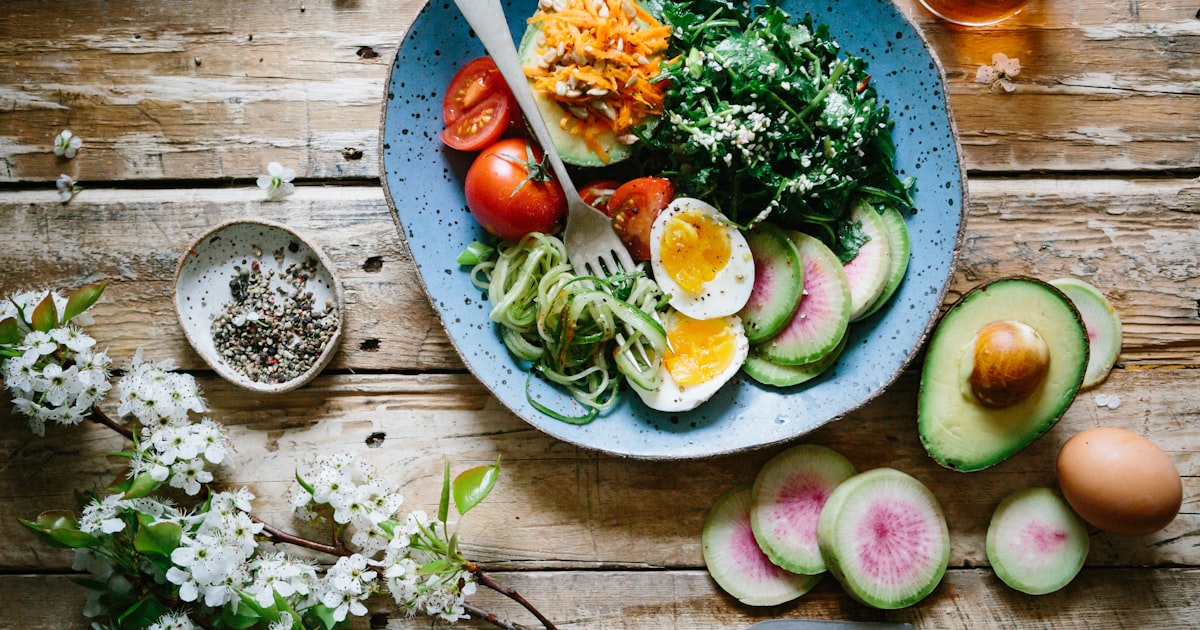
The evidence supports maximizing dietary antioxidant intake from diverse whole food sources — particularly deeply colored vegetables and fruits, green tea, dark chocolate (≥70% cacao), legumes, and herbs and spices — while being skeptical of high-dose antioxidant supplements unless specific deficiencies are identified. Vitamin C and vitamin E supplementation at doses within the tolerable upper intake level (<2,000 mg and <1,000 mg daily, respectively) appear to be low-risk, but the evidence for longevity or disease-prevention benefits at these doses is weak in general populations. The antioxidant investment with the strongest evidence base remains straightforward: eat the plants.